Have You Had COVID And Not Recovered Liver Doctor
Chart How Many Cups of Coffee Do Americans Drink Each Day? Statista
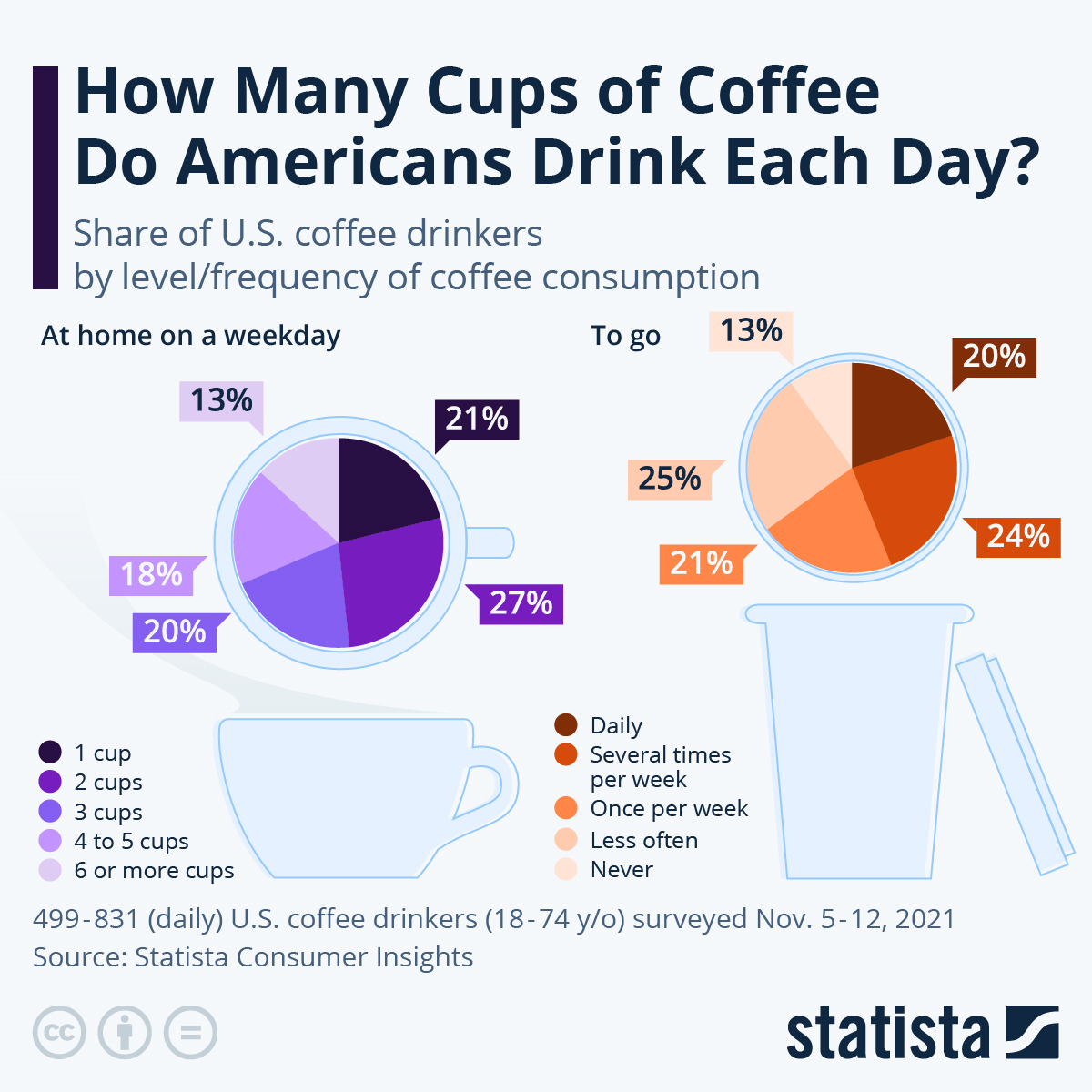
Cover Chart How Many Cups of Coffee Do Americans Drink Each Day? Statista (1200x1200)
Table of Contents
- Can drinking coffee worsen the symptoms of Covid-19?
- Is it safe to drink coffee during the recovery phase of Covid-19?
- Does coffee affect the immune system while battling Covid-19?
- Can coffee interfere with the effectiveness of Covid-19 treatments?
- How does caffeine in coffee impact Covid-19 patients?
1. Can drinking coffee worsen the symptoms of Covid-19?
As the world continues to battle the Covid-19 pandemic, many people are concerned about the impact of their daily habits on their health. One common question that arises is whether drinking coffee can worsen the symptoms of Covid-19.
While there is no direct evidence to suggest that coffee consumption worsens the symptoms of Covid-19, it is important to consider the potential effects of caffeine on the body. Caffeine is a stimulant that can increase heart rate and blood pressure. In some individuals, excessive caffeine consumption may lead to feelings of anxiety, restlessness, or difficulty sleeping. These symptoms may exacerbate the discomfort experienced by individuals with Covid-19.
Furthermore, coffee is often consumed hot, and hot beverages can irritate the throat and worsen coughing symptoms. Coughing is a common symptom of Covid-19, and consuming hot coffee may temporarily increase coughing frequency or severity. However, it is important to note that this effect is temporary and does not pose a significant risk to overall health.
In summary, while there is no direct evidence linking coffee consumption to worsened symptoms of Covid-19, it is advisable to moderate caffeine intake and consider the potential impact of hot beverages on coughing symptoms.
2. Is it safe to drink coffee during the recovery phase of Covid-19?
After recovering from Covid-19, individuals often wonder if they can resume their regular habits, including drinking coffee. The recovery phase is crucial for rebuilding strength and restoring overall well-being, so it is important to consider the potential impact of coffee consumption during this time.
In general, moderate coffee consumption is considered safe during the recovery phase of Covid-19. However, it is important to listen to your body and adjust your caffeine intake accordingly. Some individuals may experience lingering fatigue or difficulty sleeping during the recovery phase, and excessive caffeine intake can exacerbate these symptoms. If you find that coffee negatively affects your sleep or energy levels, it may be wise to reduce your consumption or switch to decaffeinated options.
Additionally, it is important to note that coffee is a diuretic, meaning it can increase urine production. Staying hydrated is crucial during the recovery phase, and excessive coffee consumption without adequate hydration may lead to dehydration. Therefore, it is important to balance coffee intake with sufficient water consumption.
In summary, moderate coffee consumption is generally safe during the recovery phase of Covid-19. However, it is important to listen to your body, adjust caffeine intake if necessary, and ensure adequate hydration.
3. Does coffee affect the immune system while battling Covid-19?
The immune system plays a crucial role in fighting off infections, including Covid-19. Many people wonder whether consuming coffee can have any impact on the immune system while battling the virus.
Studies have shown that moderate coffee consumption does not have a significant negative impact on the immune system. In fact, coffee contains antioxidants that can have potential health benefits. Antioxidants help protect cells from damage caused by free radicals, which are unstable molecules that can contribute to inflammation and disease. Therefore, consuming coffee in moderation may even have a positive effect on the immune system.
However, it is important to note that excessive coffee consumption can lead to negative effects on the immune system. High doses of caffeine can disrupt sleep patterns, and inadequate sleep has been linked to a weakened immune response. Additionally, excessive caffeine intake can lead to increased stress levels, which can also negatively affect the immune system. Therefore, it is important to moderate coffee consumption and be mindful of the overall balance of caffeine in your diet.
In summary, moderate coffee consumption is unlikely to have a negative impact on the immune system while battling Covid-19. However, excessive caffeine intake can disrupt sleep patterns and increase stress levels, which may weaken the immune response. It is important to consume coffee in moderation and maintain a balanced diet.
4. Can coffee interfere with the effectiveness of Covid-19 treatments?
As scientists continue to develop and refine treatments for Covid-19, individuals may wonder if consuming coffee can interfere with the effectiveness of these treatments.
Currently, there is no evidence to suggest that moderate coffee consumption interferes with the effectiveness of Covid-19 treatments. However, it is important to note that some medications used to treat Covid-19, such as certain antibiotics or antiviral drugs, may interact with caffeine. These interactions can potentially affect the way your body metabolizes caffeine and may increase its stimulant effects.
If you are taking medications for Covid-19 or any other condition, it is essential to consult with your healthcare provider or pharmacist about potential interactions with caffeine. They can provide personalized advice based on your specific medications and medical history.
In summary, moderate coffee consumption is unlikely to interfere with the effectiveness of Covid-19 treatments. However, it is important to consult with your healthcare provider or pharmacist to ensure that caffeine does not interact with any medications you may be taking.
5. How does caffeine in coffee impact Covid-19 patients?
Caffeine, the primary active ingredient in coffee, is a stimulant that affects the central nervous system. Many people wonder how caffeine impacts Covid-19 patients and whether it is advisable to consume coffee during this time.
While caffeine can provide a temporary energy boost and increase alertness, it is important to consider the potential side effects and individual sensitivities. Some Covid-19 patients may experience symptoms such as anxiety, restlessness, or difficulty sleeping, and excessive caffeine intake can exacerbate these symptoms. It is advisable to listen to your body and adjust your caffeine intake accordingly.
Additionally, caffeine is a diuretic, which means it increases urine production. Staying hydrated is crucial for Covid-19 patients, as dehydration can worsen symptoms and hinder recovery. Excessive coffee consumption without adequate hydration can contribute to dehydration, so it is important to balance coffee intake with sufficient water consumption.
In summary, while caffeine in coffee can provide temporary energy and alertness, it is important to consider individual sensitivities and potential side effects. Covid-19 patients should monitor their caffeine intake and ensure adequate hydration.
- Margaret
- Balmert
- Insight
- David
- Pat
- Chris
- L
- C
- Benjamin
- Estella
- Adrian
- Jerry
- Daniel
- American
- Jessica
- James
- Anna
- Danielle
- Editors
- Sandy
- Erich
- Eleanor
- Mike
- Ma
- Yuji
- Ossian
- Little
- Ron
- YAMI
- Laura
- Laura
- Freda
- Casper
- Day
- Calvin
- Joshua
- Guideposts
- Eric
- Hawaii
- Brandon
- Kem
- P
- Kentaro
- The
- George
- STEPHEN
- JRG
- Emily
- Coventry
- Gina
- Rick
- Irv
- Lauren
- Bert
- Lisa
- Anne
- Jon
- Emily
- Andreas
- Kelley
- Annie
- Robert
- John
- Ben
- Theo
- Eric
- Christopher
- Robert
- Angela
- Iannucci
- Tracy
- Paul
- Barrett
- Caterina
- Stephen
- Agatha
- Eugene
- A
- Paper
- Ronald
- Sumitrajit
- Creative
- Alan
- James
- Fiona
- Nia
- Douglas
- Matthew
- Graham
- Johannes
- Jarrod
- Ian
- Phil
- Thomas
- Maxwell
- Gregor
- Audrey
- Lyra
- Judd
- Joe
- Evan
- Penelope
- Patricia
- Pat
- Ann
- Steve
- Kim
- Abbie
- Marvin
- Cari
- Alex
- Arthur
- Cynthia
- EVERY
- Shanna
- Jack
- Samuel
- Gare
- Jeffrey
- Spencer
- Taylor
- Knopf
- Pro
- Mary
- Bethany
- DR
- Step
- Des
- Linda
- Stanley
- Ryan
- Esther
- John
- Noon
- Roger
- Jennifer
- Arthur
- Kathleen
- Lawrence
- James
- Dr
- Erwin
- Emma
- HAKIM
- Gege
- Janice
- Jason
- step
- James
- V
- Brian
- Al
- Higasa
- Ruby
- Marilyn
- DK
- Laura
- Fodor
- David
- Jazmin
- Rick
- Napoleon
- Redi
- Kirsten
- G
- Imogen
- Trends
- Tracey
- Euripides
- Highlights
- Vlad
- Steve
- Barbara
- Victor
- Von
- Mary
- Amber
- Matt
- Peter
- Sherry
- A
- Daniel
- David
- Mari
- Reese
- Lillie
- Sargent
- Bonnie
- Timothy
- Joseph
- Plato
- Quentin
- Jon
- Steven
- Wendy
- Ulrika
- K
- The
- Diane
- Randall
- Leonard
- Micki
- Steve
- Bill
- Faye
- K
- Suzanne
- DORCAS
- LOPEZ
- Eduardo
- BR
- Jon
- Gina
- Cettina
- Jaco
- Attila
- Jack
- Clemence
- Marcelo
- CLEP
- Breastfeeding
- Erin
- Rick
- Ryusho
- National
- James
- Tristan
- Tom
- Velvel
- Stan
- Crystal
- Glen
- Laura
- Martha
- Steven
- Diksha
- Bessel
- Neil
- Mr
- Esther
- Jacqui
- CMB
- Country
- Johnny
- Thomas
- Trends
- Edith
- Liz
- Carolyn
- Rachel
- Shereen
- Unique
- Disney
- Robert
- Sonya
- Minh
- Tara
- J
- Adriana
- Eklas
- Julia
- Judson
- Michael
- G
- bobby
- JANIE
- Jodi
- Woody
- Sahil
- E
- Nina
- Binda
- Ramin
- Todd
- Lonely
- M
- Reynaldo
- kyroo
- Inc
- Peter
- Donna
- David
- Aubre
- Dante
- National
- Andi
- K
- Eric
- Tex
- Silver
- Memory
- Plutarch
- Alabaster
- Guillermo
- Thomas
- Skyler
- Louis
- Sophie
- Noel
- Thomas
- Robert
- Nad
- Abbey
- Mather
- Tuffy
- Monson
- YUMA
- John
- Rivera
- Dr
- Ben
- Scott
- Esther
- Harold
- Dr
- E
- School
- Os
- Barton
- Cassia
- Mira
- Plend
- Philip
- Friedrich
- Moses
- Jacob
- Joanna
- Baby
- Wendy
- J
- Juan
- Living
- Kathy
- Saddleback
- Claire
- Megan
- Monica
- Samuel
- Alan
- Robert
- Joan
- Rich
- Nicole
- CJ
- Gabriela
- Ronald
- Michael
- Manuel
- Grenada
- Terry
- Michael
- Finest
- Lisa
- Marion
- Lonely
- Sylvia
- Thomas
- Giannelli
- Hammerson
- Albert
- Mometrix
- Easy
- wong
- Darren
- Swami
- Anthony
- Crissbozn
- Explore
- Candy
- Margaret
- Bear
- E
- Wanda
- William
- John
- Debra
- Logan
- Bayberry
- Mr
- Mar
- Peter
- Joey
- Aishelle
- M
- China
- Stan
- Steve
- Rodney
- Karen
- Diane
- Sandee
- Wolfgang
- Kathy
- H
- Jennifer
- Christopher
- Vanessa
- Ellen
- Colin
- Arthur
- Courtney
- Debbi
- Jane
- Henry
- Tess
- Oliver
- the
- Brain
- Kat
- James
- Allen
Conclusion
When it comes to drinking coffee during Covid-19, it is important to consider moderation and individual sensitivities. While there is no direct evidence to suggest that coffee consumption worsens the symptoms of Covid-19, it is advisable to moderate caffeine intake and consider the potential impact of hot beverages on coughing symptoms. During the recovery phase, moderate coffee consumption is generally safe, but individuals should listen to their bodies and adjust caffeine intake if necessary. Moderate coffee consumption is unlikely to have a negative impact on the immune system while battling Covid-19, but excessive caffeine intake can disrupt sleep patterns and increase stress levels. It is important to consult with healthcare providers regarding potential interactions between coffee and Covid-19 treatments. Lastly, individuals should be mindful of the effects of caffeine on Covid-19 patients, adjusting intake to minimize potential side effects and ensuring adequate hydration.
By being aware of these considerations and making informed choices, individuals can continue to enjoy their coffee while taking care of their health during the Covid-19 pandemic.

Post a Comment for "Have You Had COVID And Not Recovered Liver Doctor"